CONTENT OPERATIONS
How Should a YouTube Content Calendar Work?
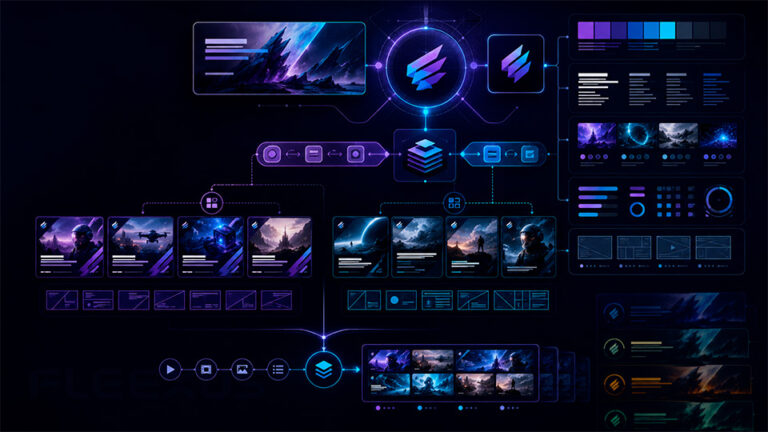
A YouTube content calendar should do more than assign dates to videos. It should coordinate content priorities, production readiness, release cadence, recurring formats, campaigns and channel capacity inside one publishing system.
Fleexus builds and manages publishing calendars around the actual operating model of the channel: what is ready, what matters most, which releases should support each other and where too much content would compete for the same audience or production resources.
The objective is a predictable publishing operation that can move faster without losing strategic control.
01 · PRIORITIES
Decide What Should Publish First
Not every finished video has the same commercial, editorial or strategic value. The calendar should reflect channel priorities rather than simply publish assets in the order they become available.
02 · CADENCE
Create a Sustainable Release Rhythm
Publishing frequency should match the catalog, audience and production capacity so the team can maintain consistency without creating unnecessary release conflicts.
03 · COORDINATION
Connect Publishing With Production
A release date only works when titles, thumbnails, metadata, rights checks, translations and other required assets are ready before the publishing deadline.
PUBLISHING SYSTEM
A Calendar Is the Control Layer Between Content and Publication
When publishing is handled reactively, the calendar often becomes a record of decisions already made elsewhere. Videos are inserted whenever they are ready, priority releases collide with routine uploads and production teams discover missing assets too close to launch.
A stronger system works in the opposite direction. The publishing plan defines upcoming priorities early enough for production, packaging and channel operations to prepare around them.
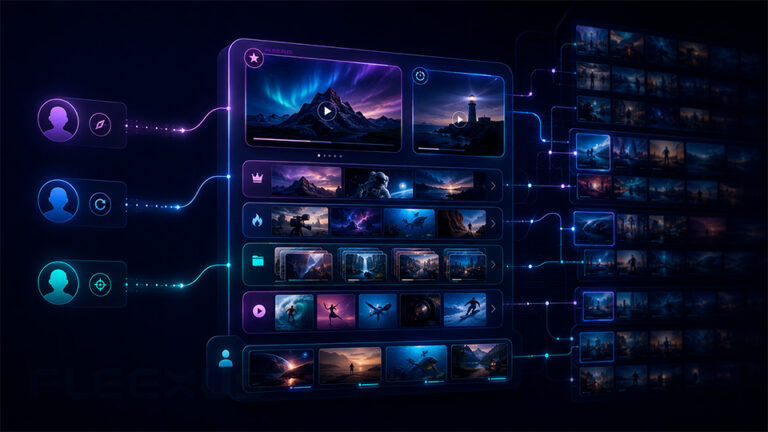
Recurring series can receive predictable slots. Campaigns can reserve release windows in advance. Long-form and Shorts can be coordinated rather than scheduled independently. Multiple channels can share one operating calendar without losing their individual cadence.
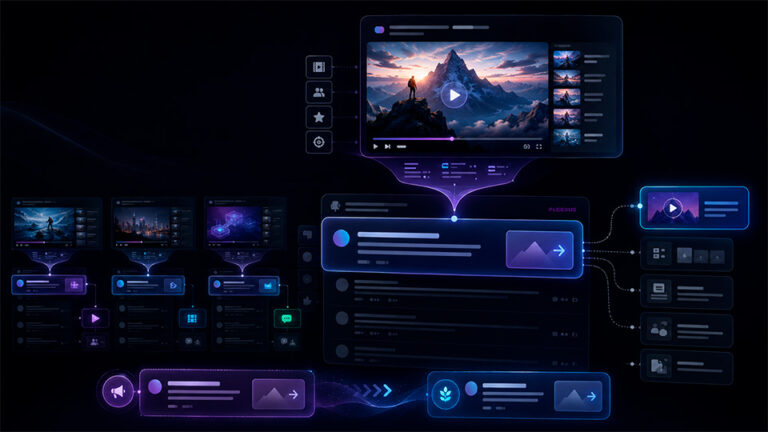
The calendar therefore becomes both an editorial plan and an operational dependency map.
CALENDAR SYSTEM
What We Manage
The publishing calendar connects editorial planning with the practical requirements of getting every release ready on time.
01 · CALENDAR
Publishing Calendar Architecture
Structure planned releases across days, weeks and months with enough visibility to manage priorities, recurring content and future campaigns.
Know what is coming before publication day.
02 · CADENCE
Release Frequency & Spacing
Define how frequently different content types should publish and create enough spacing between important releases where unnecessary overlap would reduce attention or operational clarity.
Frequency should support the content model.
03 · PRIORITY
Release Prioritization
Separate flagship, campaign, revenue-priority, evergreen and routine content so the calendar reflects business and editorial importance rather than production order alone.
Not every upload deserves the same slot.
04 · DEPENDENCIES
Publishing Readiness
Track whether required assets and approvals are complete before release: video master, thumbnail, title, description, rights checks, subtitles, localization or other workflow-specific dependencies.
A scheduled date needs a ready package.
05 · FORMATS
Long-Form, Shorts & Series Coordination
Coordinate different formats inside one publishing plan so recurring series, Shorts, long-form uploads and special releases do not operate as disconnected calendars.
One channel should have one publishing logic.
06 · MULTI-CHANNEL
Portfolio Scheduling
Coordinate publishing across multiple channels, languages or territories where shared content, production teams or campaign priorities create operational dependencies.
Scale scheduling without losing channel-level control.
CALENDAR VS TIMING
Scheduling Strategy Is More Than Choosing the Best Hour
Publishing-time optimization and content-calendar management solve different problems. Timing helps decide when an individual release should go live. Calendar management determines how many releases, formats and priorities fit together across the wider publishing operation.
PUBLISHING TIME
When Should This Video Go Live?
- Audience activity
- Time zones
- Regional overlap
- Premiere timing
- Release-window selection
This is a timing decision around an individual release or recurring publishing window.
CONTENT CALENDAR
What Should Publish Across the Whole Schedule?
- Release priorities
- Publishing frequency
- Recurring series
- Campaign sequencing
- Production dependencies
- Format coordination
- Multi-channel conflicts
This is an operating-system decision across the complete publishing pipeline.
DELIVERABLES & OUTCOMES
What You Receive
The final system gives the publishing team visibility into upcoming releases, their priorities and the work required to make each one ready on time.
CALENDAR DELIVERABLES
A Production-Ready Publishing Framework
- Current publishing-process audit
- Release-priority framework
- Weekly and monthly content calendar
- Recurring format scheduling rules
- Long-form and Shorts coordination
- Campaign and priority-release planning
- Publishing-readiness checklist
- Asset and approval dependency tracking
- Multi-channel coordination where required
- Schedule maintenance rules
- Ongoing publishing review framework
EXPECTED OUTCOMES
A More Predictable Publishing Operation
Better release visibility
Teams can see upcoming priorities before they become urgent publishing tasks.
Fewer release conflicts
Important uploads, recurring series and campaigns can be spaced and coordinated deliberately.
Stronger production coordination
Packaging, metadata and other required assets can be prepared against a known deadline.
More scalable publishing
A defined operating calendar makes it easier to manage higher volume, additional formats or multiple channels.
WORKFLOW
How Content Calendar Management Works
Publishing & Pipeline Audit
We review current publishing frequency, available content, production workflow, recurring formats and the operational problems affecting release planning.
Priority & Cadence Framework
We define content priorities, appropriate release frequency and the scheduling rules required for recurring, flagship and campaign content.
Calendar Construction
Upcoming releases are mapped into a practical weekly and monthly schedule with enough visibility to coordinate production and publishing dependencies.
Readiness & Scheduling
Before publication, we verify the required content package and coordinate scheduling according to the approved release plan.
Calendar Maintenance
The plan is updated as content availability, campaigns, production delays and channel priorities change while preserving overall publishing logic.
MOVE FROM REACTIVE UPLOADS TO PLANNED PUBLISHING
Build a Calendar That Connects Content, Production and Release
If your publishing schedule changes daily according to whichever video is ready first, we can build a clearer operating calendar around priorities, cadence, production readiness and channel goals.
CLIENT FIT
Who This Service Is For
STRONG FIT
Built for Ongoing Publishing Operations
- Channels publishing multiple times per week
- Media companies with large content pipelines
- Film, series and entertainment publishers
- Channels combining long-form and Shorts
- Brands running recurring campaigns
- Teams managing several content formats
- Publishers operating multiple YouTube channels
- Channels with complex production or approval workflows
IMPORTANT DISTINCTION
A Calendar Should Create Control — Not Bureaucracy
A publishing system should not become so rigid that every unexpected opportunity or production delay creates an operational crisis.
We build enough structure to coordinate priorities and dependencies while preserving the flexibility required for real content operations.
ENGAGEMENT MODELS
Engagement Options
SETUP
Publishing Calendar Setup
Design the calendar structure, cadence, release priorities and readiness rules needed for a channel or publishing team to operate consistently.
COORDINATION
Campaign & Release Scheduling
Coordinate a defined release period, campaign, season or catalog rollout across content priorities, formats and production dependencies.
ONGOING · MANAGEMENT
Ongoing Calendar Management
Maintain upcoming releases, priorities, scheduling and readiness across an active channel or multi-channel publishing operation.
PUBLISHING OPERATIONS
Why Fleexus
A useful content calendar has to work inside real YouTube operations. Fleexus approaches scheduling through the relationship between content priorities, production readiness, packaging, channel cadence and the practical workload required to keep publishing consistently.
01
Priorities Before Empty Calendar Slots
We begin with the content and business priorities, then construct the schedule around them rather than filling dates simply to maintain activity.
02
Publishing and Production Together
Release dates are connected to the thumbnails, metadata, approvals and other assets required to make publication operationally possible.
03
Built for Changing Priorities
The calendar provides structure without pretending production reality is static. Priority changes and delays can be absorbed without losing the logic of the wider publishing plan.
FAQ
Content Calendar & Scheduling FAQ
What should a YouTube content calendar include?
A useful calendar can include planned release dates, content type, priority, recurring format, publishing status and the production dependencies required before each video is ready to schedule.
Is a content calendar the same as choosing the best time to publish?
No. Publishing-time optimization focuses on the release window for a video. Calendar management coordinates the wider sequence of releases, cadence, priorities, formats and operational dependencies across weeks or months.
How far ahead should a YouTube calendar be planned?
The appropriate planning horizon depends on the content model. Some operations benefit from several months of visibility, while fast-moving channels may need a firm short-term schedule with a more flexible longer-term pipeline.
Can Shorts and long-form videos use the same calendar?
Yes. They can be coordinated inside one publishing system while retaining different cadence and production rules. This helps prevent each format from being managed as an isolated workflow.
Can you manage calendars for several YouTube channels?
Yes. Multi-channel calendars can coordinate shared production resources, different languages, catalog rollouts and channel-specific release priorities while preserving separate schedules where required.
What happens when a video is delayed?
The calendar should be flexible enough to absorb real production changes. We can use priority and dependency rules to decide whether another release moves forward, a slot remains open or the wider schedule needs to be adjusted.
Do you also track thumbnails, metadata and other publishing assets?
Where included in the engagement, yes. Publishing readiness can track the assets and approvals required before scheduling so the calendar reflects operational reality rather than only planned dates.
Does publishing more frequently always improve channel growth?
No. Publishing frequency should match the channel’s content, audience and production capacity. A calendar is used to create a sustainable release system, not to maximize upload volume regardless of quality or strategic value.